NaturalHealing.com

cyboss


About Us
Cyboss 博脉医疗科技. Our Chinese-medicine outpatient service is a group of joint clinics centered on 瑞博中医门诊部. It has had a presence in Beijing, Shenzhen, Guangzhou, Shanghai, and Huzhou, Zhejiang, providing Chinese-medicine care to patients in each place. 瑞博中医门诊部 covers 2,500 square meters and brings together consultation, restorative care, and diet. It has a Chinese-herbal pharmacy and more than 70 treatment beds. We have long followed a rigorous approach to scientific research, carried forward the essence of Chinese medicine, and combined pulse diagnosis, acupuncture, moxibustion, and other Chinese-medicine methods with advanced technology, forming a professional disease program based on data visualization. Over many years, our clinics have made a number of breakthrough research advances in type II diabetes, hypertension, heart failure, brain degeneration, cerebellar atrophy, mental illness, and arterial plaque. More than 40,155 patients have been treated, with good results, and endocrine and metabolic problems have been addressed for 4,819 VIP patients. In 71% of patients with arterial plaque, the plaque was reduced by more than 50% after treatment. The clinical medication-discontinuation rate in type II diabetes was 76%. The clinical recovery rate for triglycerides was 85%. In heart failure, we have made a breakthrough. In several dozen patients, treatment has reduced cardiac enlargement, improved myocardial hypertrophy, and rapidly raised ejection fraction. Every year, critically ill patients with heart failure have come through life-threatening danger after treatment, recovered, and left the intensive-care unit. In cerebellar atrophy, among patients who could not walk independently, whose speech had declined, whose limbs were stiff, and who had mild manic–depressive symptoms, more than ten patients have had significant improvement and progress. Some progressed from being bedridden and unable to turn over by themselves to being able to walk independently. These cases demonstrate the outstanding results of our treatment in conditions such as cerebellar atrophy.

解渤 Ph.D.
Chairman, 重生医药
Authority on Shanghan medicine
Doctor of Chinese Medicine, trained in the United States
In 2015 he returned to China and founded 瑞博健康 , focusing on chronic-disease management. In 2021 he founded 苏州重生医药科技 . He received the Suzhou Leading Talent title (苏州领军人才) and led the development of the world's first innovative drug for arterial plaque. He holds more than 70 invention patents. Bringing together pharmaceutical research teams in China and the United States, he has advanced the development of multiple Class 1.1 innovative drugs in both new Chinese-herbal medicines and biopharmaceuticals. Major breakthroughs have been made in heart failure, coronary heart disease, mental illness, and degenerative brain diseases.
解渤 was born into a family of Chinese-medicine practitioners. He is a descendant of 解德明, known as “圣手先生” at 同义堂 in the late Qing dynasty, and the last disciple of 曾荣修, a master of Shanghan medicine. He has practiced for more than 30 years. He studied the classic formulas and pulse methods of the Shanghan school under 曾荣修, master of the 田曾 lineage (田曾流), and received the core of that lineage’s Shanghan pattern system, which takes pulse study as its basis and its standard: “Where that pulse is present, use that formula.” He set out the mathematical logic of the Hetu and the Luoshu and the foundations of Chinese medicine. He founded the “天道养生” school, bringing herbal medicine, pulse-based formulas, acupuncture, diet, exercise, and daily routine into one practice. Through more than 20 years of theoretical study and clinical work, combined with modern technology, he developed an efficient treatment and management program for metabolic conditions including heart failure, cerebellar atrophy, type 2 diabetes, pulmonary nodules, arterial plaque, and hyperlipidemia.

解涛 Ph.D.
Chief Medical Officer, 太一集团
Authority on Shanghan medicine
Doctor of Chinese Medicine, trained in the United States
He comes from a family of Chinese-medicine practitioners and is a descendant of 解德明, known as “圣手先生” at 同义堂 in the late Qing dynasty, carrying a deep grounding in Chinese medicine and its transmission. He studied under 曾荣修, master of the Shanghan school's 田曾 lineage (田曾流), and studied the essence of Chinese medicine in depth. In his youth he moved with his family to California, continued advanced study, and earned a master's degree and a doctorate. He obtained a California Chinese-medicine practitioner license, operated a Chinese-medicine clinic, and accumulated substantial clinical experience.
He has taken part in studying and developing the “天道养生” theoretical system of Chinese medicine, and works to combine traditional Chinese-medicine knowledge with modern medicine. He has practiced for nearly 30 years, sought out noted physicians, and continued to improve his clinical skill, with substantial experience especially in chronic endocrine disease. In 2017 he returned to China and joined his elder brother, 解渤, in the health enterprise. He became Chief Medical Officer of 太一集团 and took overall charge of its medical work. In 2021 he was invited to see patients at Shenzhen Private Banking of China Construction Bank (深圳建行私人银行), and also served as a specially appointed expert for 平安乐健康.
In clinical practice he has continued to innovate and refine his medicine, and has introduced a number of distinct treatment programs for serious and difficult illnesses. In the diagnosis and treatment of major and chronic conditions, including type 2 diabetes, arterial plaque, heart failure, and pulmonary nodules, he has achieved significant results and brought patients new hope and a new chance.
Facilities


'Disease problems addressed for a total of 40,115 patients'
'Endocrine and metabolic diseases addressed for a total of 4,819 VIP patients'
In 71% of patients with arterial plaque, plaque volume was reduced by 50% or more after treatment.
76% clinical medication-discontinuation rate in type II diabetes
85% clinical recovery rate for triglycerides

Drug Research & Development


Team

任雪峰, Ph.D.
Tenured professor at the school of medicine and the school of public health of a State University of New York institution
Specially Appointed Professor at Fudan University School of Medicine (中国复旦大学医学院), and a recipient of the Shanghai Thousand Talents Program at Fudan University (上海千人计划).
Short-term work at the U.S. FDA and GeneTech Inc.
He has taken part in founding several biomedical technology companies in China and the United States, including, in the United States, Sandalwood Biotech. Ltd. and Quatuor Medical Diagnostics and Technologies, LLC, and, in China, 广东众尔健生物科技有限公司.
There he has led development of GMDTC, a drug intended to reduce toxicity and increase efficacy in tumor chemotherapy. The IND submission has been completed, and the program is about to enter clinical research.
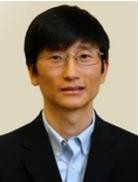
程震, Ph.D.
Ph.D., University of Missouri-Columbia. Postdoctoral researcher in biochemistry/radiochemistry at Harvard Medical School.
Director of the Molecular Imaging Center at the Institute of Materia Medica, Chinese Academy of Sciences (中科院药物研究所), and Specially Appointed Professor at the School of Biomedical Engineering, ShanghaiTech University (上海科技大学).
He was formerly Director of the Cancer Molecular Imaging Chemistry Laboratory at the Molecular Imaging Center of Stanford University, and Associate Professor at the Molecular Imaging Center of Stanford University School of Medicine, the Canary Center at Stanford (克莱瑞-斯坦福癌症早期检测研究中心), the Stanford Cancer Institute, the Department of Radiology, and Bio-X.
Advisors

A Clear Advantage


Advantages
Multiple components, complex constituents, and complex formulas give an advantage over the single compounds and single constituents of Western medicine.
Formulas and medical case records from 3,000 years of Chinese medicine.
A single compound, in principle, is aimed at a single problem and a single target.
It cannot resolve diseases caused by combined multi-target problems, and that is the core competitive strength of Chinese herbal medicine.
Relative to unknown compounds synthesized in the laboratory, Chinese herbal medicine has a natural safety and can be used directly in people. If a seed candidate that can cross the four great mountains is found in human use, the best new drug can be developed. The requirements are extremely high. From the early clinical stage, people with insight must aim at the following: search by disease name rather than by symptom; one formula must apply to all groups, without division by symptom, sex, age, or regional habits of life; and long-term use must not produce adverse side effects. Only by clearing these bars can a candidate withstand the severe test of modern research and development.

Research Background

Plaque Program
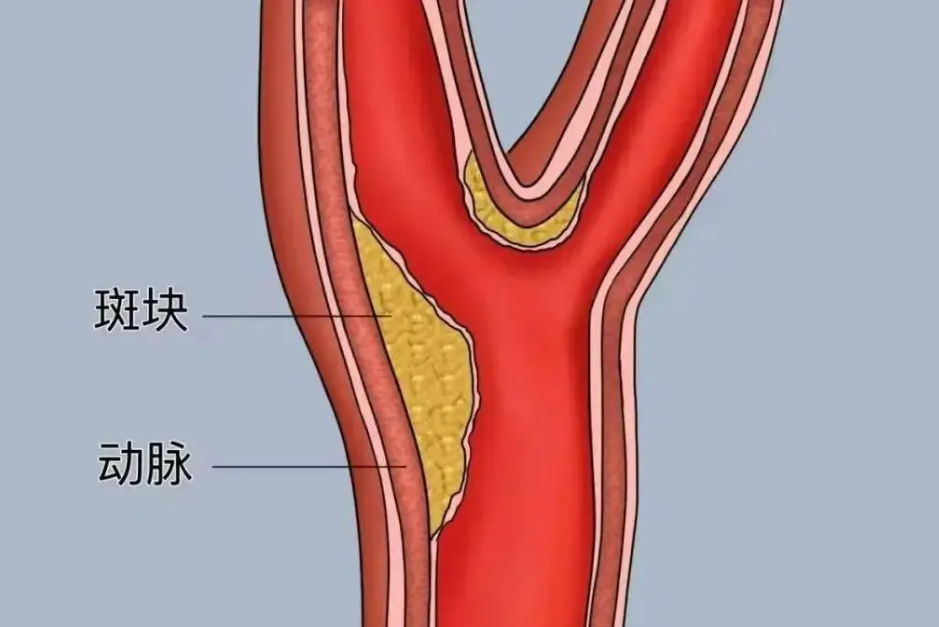
The formation and hardening of atherosclerotic plaque (atherosclerosis, AS) is a principal cause of stroke, ischemic heart disease, and peripheral vascular disease. The mechanism is highly complex and involves many factors, including disorders of lipid metabolism, injury to cardiac smooth muscle, proliferation of collagen fibers, and accumulation of inflammatory factors.
Plaque formation and hardening are therefore the result of long-term disease developing through multiple mechanisms.

Cerebral infarction
(ischemic stroke)

Coronary heart disease and myocardial infarction
(ischemic heart disease)

Lower-limb arterial embolism
There is currently no drug in the world specifically for the prevention and treatment of atherosclerotic plaque.
Multiple targets and multiple mechanisms. Research on chemical drugs and biologics has not yet produced a breakthrough.
How modern medicine treats arterial plaque
For soft plaque, statins (lipid-lowering drugs) are recommended. When stenosis is greater than 50%, statins plus aspirin are recommended. For more severe stenosis, a stent or surgery is recommended.
Lipid-lowering drugs are widely used in clinical practice as core adjunctive drugs to prevent and treat atherosclerotic plaque.
Many chemical lipid-lowering drugs are in clinical use. Their mechanisms differ, but they act mainly and directly on fat itself.
Chemically synthesized lipid-lowering drugs need to be taken long term. After they are stopped, the chance of a rebound in blood lipids is very high. Long-term use greatly increases the chance of toxic side effects.
In clinical practice, lipid-lowering drugs have almost no effect in preventing death from atherosclerotic cardiovascular and cerebrovascular disease.

Research Results
Arterial-plaque treatment drug: CS-001 invention-patent intellectual property
Patents have been granted in China, the United States, the European Union, South Korea, Russia, Japan, Singapore, and Taiwan, China.


Animal studies: statistics on the lipid-lowering effect

Comparison of data before and after dosing showed that the Chinese-herbal composition of this invention had a clear effect,
in animal experiments, of reducing the formation of atherosclerotic plaque.

Animal experiments with the arterial-plaque treatment drug (reducing plaque / improving the inflammatory environment of the vessel and its surroundings; the effect was significant)
Negative control group
Model control group
Positive control group
Arterial-plaque drug group, 833 mg/kg
Arterial-plaque drug group, 1677 mg/kg


Treatment Areas
Tests related to arterial plaque
Blood lipids:composed of cholesterol, triglycerides, phospholipids, and non-free fatty acids.
HDL-C (high-density lipoprotein cholesterol) has a protective effect on the cardiovascular system. It can carry harmful cholesterol from the inner vessel wall to the liver, where it is absorbed, put to use, and then excreted from the body.
LDL-C (low-density lipoprotein cholesterol):once hypertension, diabetes, smoking, and other factors create openings in the vascular endothelium, LDL-C passes beneath the arterial endothelium, forms atherosclerotic plaque, and ultimately leads to cardiovascular and cerebrovascular disease.
Blood glucose:abnormal blood glucose is closely tied to abnormal blood lipids. In people with diabetes whose blood glucose is poorly controlled, vascular disease is especially serious.
Complete blood count:the counts, hematocrit, and aggregation indices of red cells and platelets, together with the erythrocyte sedimentation rate and plasma viscosity, have a substantial effect.
Coagulation panel: prothrombin time, fibrinogen level, thromboplastin time, and related measures.

Main drugs used for arterial plaque

Statins

Anticoagulants

Fibrates and niacin derivatives

In-depth treatment
A leading British cardiologist: statins are of no use
Aseem Malhotra (阿西姆·马尔霍特拉): Deputy Leader of the UK Labour Party, and the most influential cardiologist
Dr. Malhotra condemns what he calls the medical authorities’ obsession with total cholesterol.He says it has led millions of people to overuse statins and has diverted attention from the real cause.
He questions the value of statins and considers them of no benefit to anyone. The previous year, he also published a book, A Statin-Free Life (没有他汀的生活:治疗心脏病的革命性计划; A Revolutionary Plan for Treating Heart Disease).
Atherosclerosis is the real killer
The inflammatory process that leads to deposition of cholesterol within the arterial wall, and then to plaque formation (atherosclerosis), resembles the process by which a “papule” forms.
ESC: The preventive effect of aspirin is not enough to offset its side effects
At the annual congress of the European Society of Cardiology (ESC), described here as the largest and most influential international cardiovascular meeting,clinical research reports from Harvard University and the University of Oxford both showed that, for people who have not yet developed cardiovascular disease,the preventive effect of aspirin is not enough to offset its side effects.。
The University of Oxford study enrolled people with diabetes,a group at high risk of cardiovascular disease.Over more than 7 years,aspirin reduced the risk of serious cardiovascular disease by only 12%,,.while raising the probability of major bleeding by 29%.。
The FDA states that, for people who have not had cardiovascular disease, the early preventive effect of taking aspirin every day is not evident, and that it instead brings side effects of bleeding in the brain or the stomach.


Stenting
1.5 million a year; an ordinary stent averages about 30,000, with the currency not stated
Medication for life afterward: the anticoagulant Plavix (波立维) and aspirin

Bypass
Open-chest surgery
The vessel can become blocked again later

Heart transplantation
Major surgery
Medication for life afterward: the anticoagulant Plavix (波立维), aspirin, and immunosuppressive treatment

Treatment Approach


Experimental research found thatthe Chinese herbal medicine for arterial plaque,by intervening in the IL17A/NFKB inflammatory signaling pathway,can significantly improvethe expression of inflammatory factors in the serum and in aortic plaque of APOE-/- mice,and thereby improve the microenvironment in which AS plaque forms, and improve plaque stability.。

Compared with the normal group, serum IL-6, IL1β, and IL17A in the model group increased significantly (P<0.01). Compared with the model group, serum IL-6, IL1β, and IL17A decreased in the arterial-plaque Chinese-medicine group, and the difference in expression was more significant in the high-dose group (P<0.01).This indicates that the arterial-plaque Chinese medicine can reduce the level of serum inflammation in AS mice.Compared with the normal group, expression of IL17A/NFKB inflammatory-pathway proteins in aortic plaque increased significantly in the model group (P<0.01). Compared with the model group, expression of these proteins in aortic plaque decreased in the arterial-plaque Chinese-medicine group, and the difference in expression was more significant in the high-dose group (P<0.01).the Chinese herbal medicine for arterial plaque,can reduce expression of IL17A/NFKB inflammatory-pathway proteins and lessen inflammatory damage to blood vessels..。
Why do people develop vascular disease?
Why do blood vessels become narrower with age, and even become blocked?
Why do heart disease, stroke, cerebral hemorrhage, kidney disease, and other conditions also follow?
Modern medicine holds that 80% of diseases are related to vascular disease.
Eliminating arterial plaque by “increasing metabolism in a specific direction”
Arterial plaque is composed mainly of fatty tissue.
We use a specific group of Chinese herbal medicines that can be directed into the arteries and increase the metabolism of that tissue.
Then it happens: arterial plaque at many sites throughout the body is digested and absorbed by the body itself.
This process is entirely different from placing a stent or performing surgery, which can address only the single most critical segment of a vessel.
It addresses most of the arterial plaque throughout the body.
Because metabolism is increased, there can sometimes be side effects. The most common is weight loss.
Vessel hardening and viscous blood
Western medicine has found thatthe composition of the blood is the core cause of vascular disease.
Vessels harden because the blood is viscous. What makes the blood viscous? An erroneous change in the composition of the blood.
Among the main biochemical measures of modern medicine, blood viscosity involves more than 30 indicators:
Glucose measures: fasting glucose, glycated hemoglobin, fasting insulin, C-peptide, and others
Lipid measures: HDL cholesterol, LDL cholesterol, triglycerides, apolipoproteins, and others
Blood count: platelet-related measures, red-cell-related measures, and other measures related to blood viscosity
If all of these measures are normal, is the blood then not viscous?
The answer given is that it can still be viscous.


Imbalance: internal and external pathogenic factors are both the “cause.”


Restoration: differentiate the pattern of the whole person, and remove internal and external pathogenic factors.
The pulse is the “manifestation.”
The formula is the “resolution.”
The person is “harmony.”
Whole-person pattern differentiation
Herbs chosen by pattern
Treatment by pattern

太一医疗 provides a prevention-and-treatment solution for “reducing arterial plaque.”

Case Studies
Mr. Zhang, 52
Contrast-enhanced coronary CT in April 2024 showed multiple mixed plaques in the proximal and mid left anterior descending artery, with a maximum luminal stenosis of about 60%; a focal mixed plaque in the proximal ramus intermedius with mild stenosis;
and mixed plaque in the proximal-to-mid right coronary artery, with luminal stenosis of about 40%.

During this period he took the arterial-plaque treatment drug for about 2 months.
Multiple mixed plaques in the proximal left anterior descending artery, with a maximum luminal stenosis of about 35%; noncalcified plaque in the mid segment with luminal stenosis of about 40%; small calcification in the ramus intermedius, considered to show mild luminal stenosis.
(Both sites had previously had 60% stenosis.)
Irregular wall thickening in the proximal right coronary artery with noncalcified plaque, considered to show mild luminal stenosis.
(The previous stenosis was 40%.)

Resolving vascular blockage
Ms. Lin, 70
living in Australia
Carotid plaque and cerebral arterial plaque with blockage of more than 90%. After 6 months of Chinese herbal treatment, the vascular blockage during the treatment period became mild in each case.


Resolving vascular blockage: 100% resolution
Mr. Li, 51
He drank heavily and had atherosclerotic plaque in both common carotid arteries, hyperlipidemia, diabetes, and hypertension.
After treatment, lipid-lowering medication was stopped, and blood lipids, blood glucose, and blood pressure returned to normal.
At follow-up in June 2019, the carotid plaque had disappeared.


Resolving vascular blockage: reduced by 70.8%
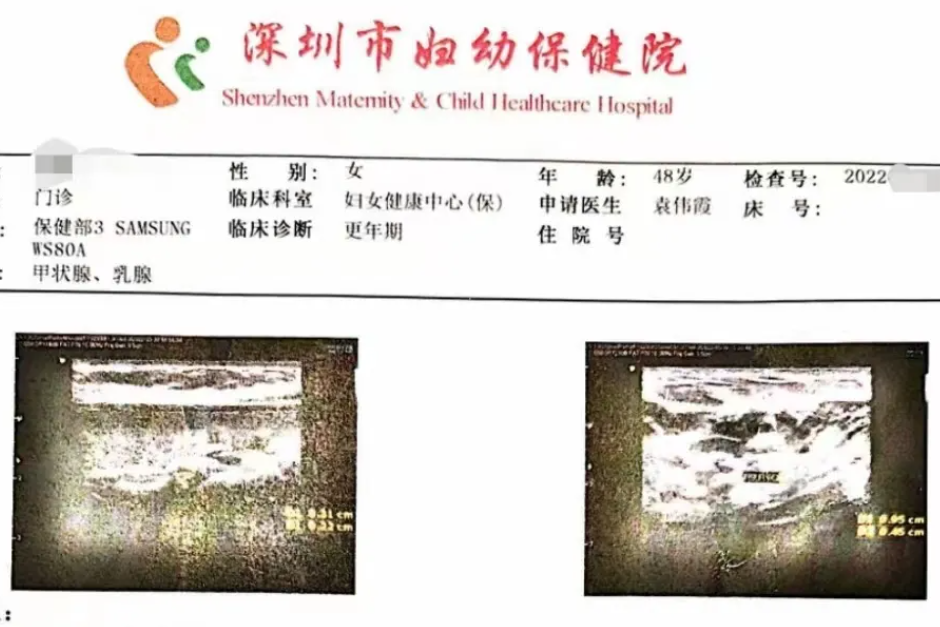
:Ms. Li, 64. Examination showed multiple carotid plaques: two plaques at the bifurcation of the left common carotid artery, 13.6 × 2.5 mm and 4.8 × 1.6 mm.After two months of treatment,follow-up showed that the plaque had been reduced to a single plaque of 5.8 × 2.1 mm. Total cholesterol had also fallen to the normal range.


Resolving vascular blockage: reduced by 81.5%
Ms. Li, 65. Examination showed multiple carotid plaques, four of them larger: 12.1 × 2.6 mm,10.2 × 2 mm,10 × 1.9 mm,and 5.6 × 2 mm.She took Chinese herbal medicine intermittently.Follow-up showed that the two largest plaques were then 3.9 × 2.5 mm and 2.6 × 2.1 mm,clearly smaller, and in some instances gone.


Resolving vascular blockage: reduced by 70%
Mr. Zheng, 49. Before treatment the plaque measured 1.15 × 0.2 cm. At follow-up after 3 months of treatment, it measured 0.5 × 0.14 cm.


Resolving vascular blockage: reduced by 100%
Mr. Zhang, 36
Color Doppler ultrasound on May 22, 2020, showed plaque of 9.2 × 2.2 mm.
In October 2020 he came to our institution for treatment of diabetes. After only 9 consultations and prescriptions
color Doppler ultrasound on June 24, 2021, showed that the plaque had completely disappeared and that his blood glucose was entirely within the normal range.


Diabetes mellitus


Heart failure


Arterial plaque


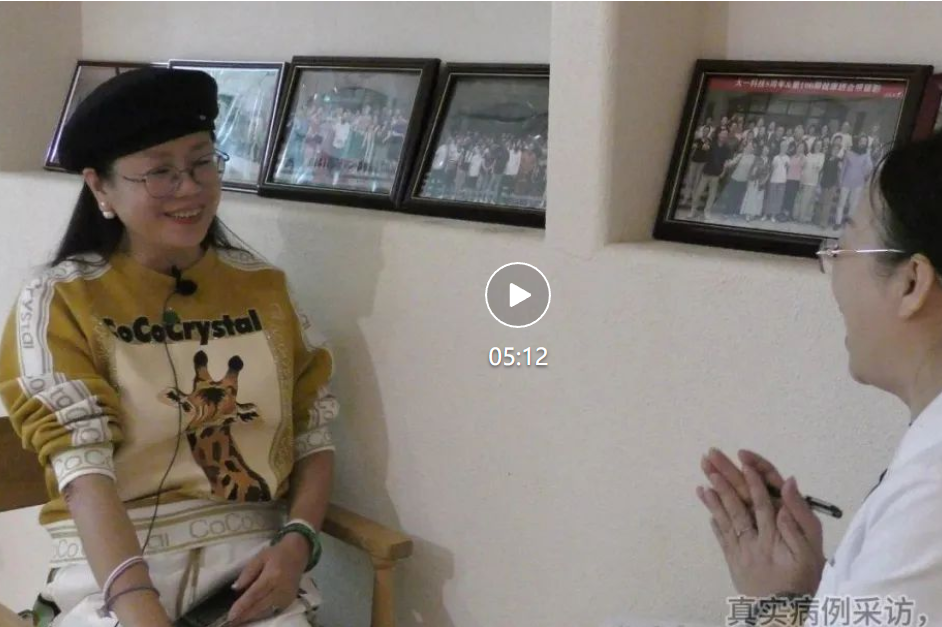

AF
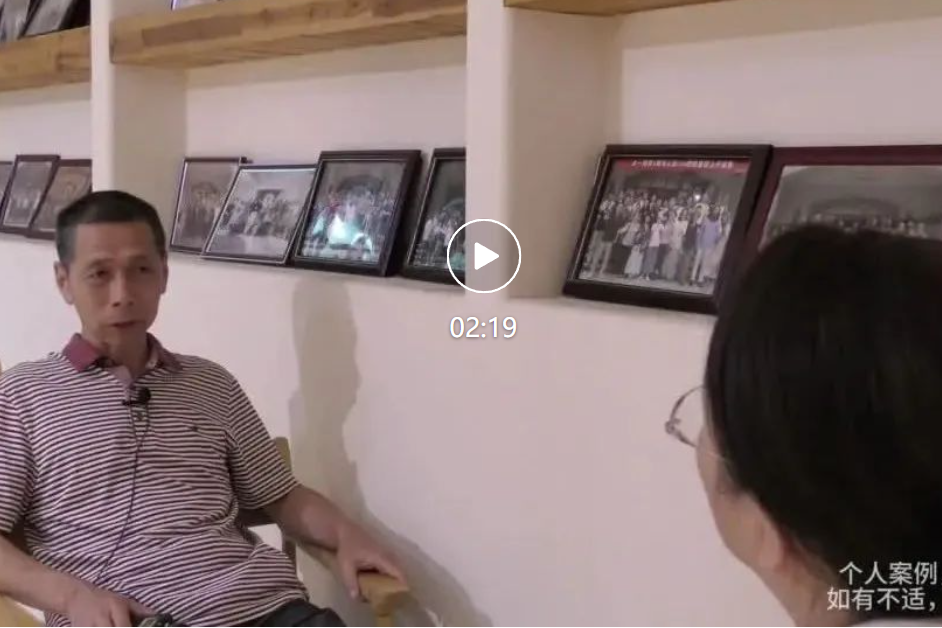
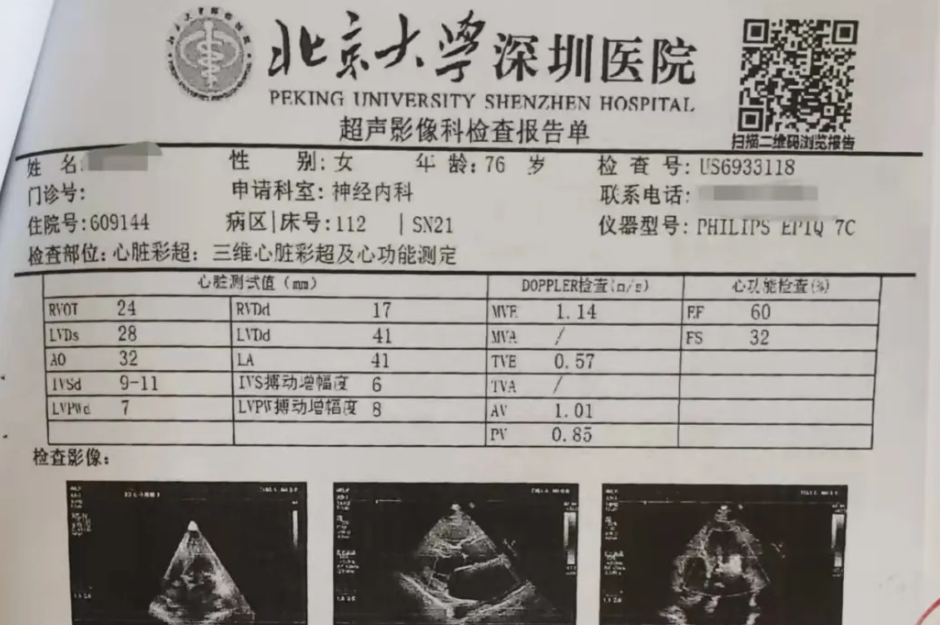
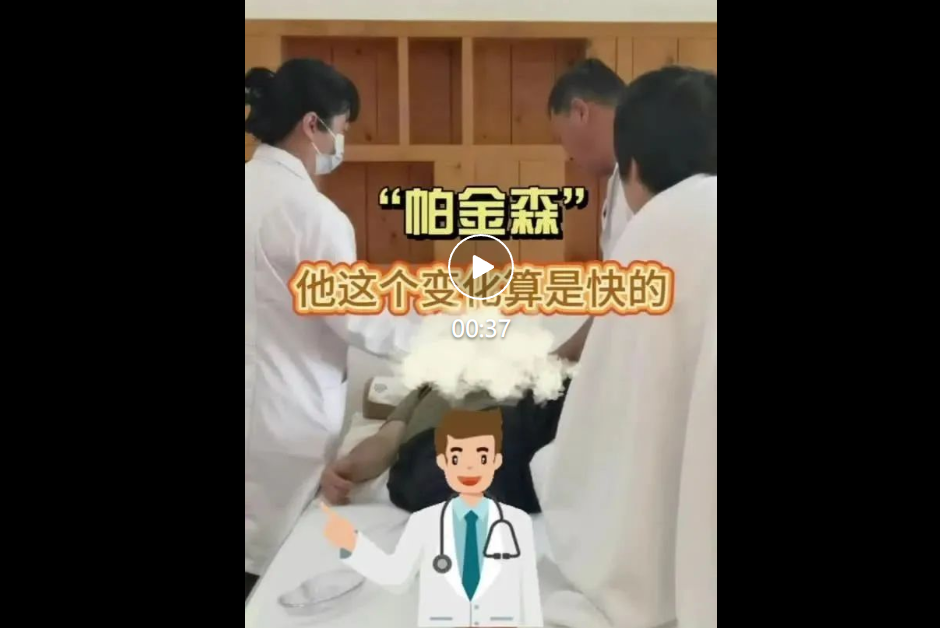
Parkinson's
Hypertrophic heart disease
Cerebral hemorrhage
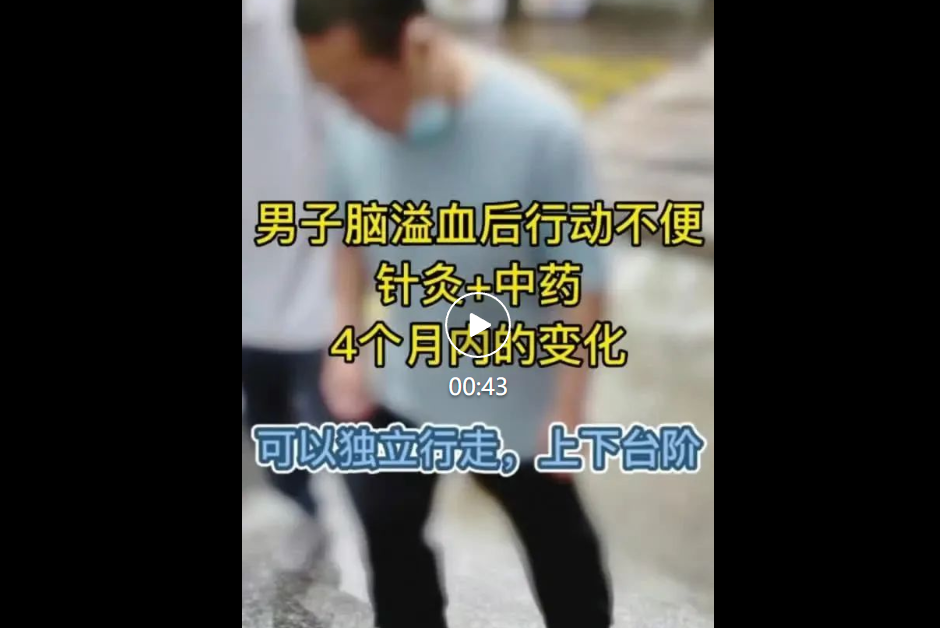
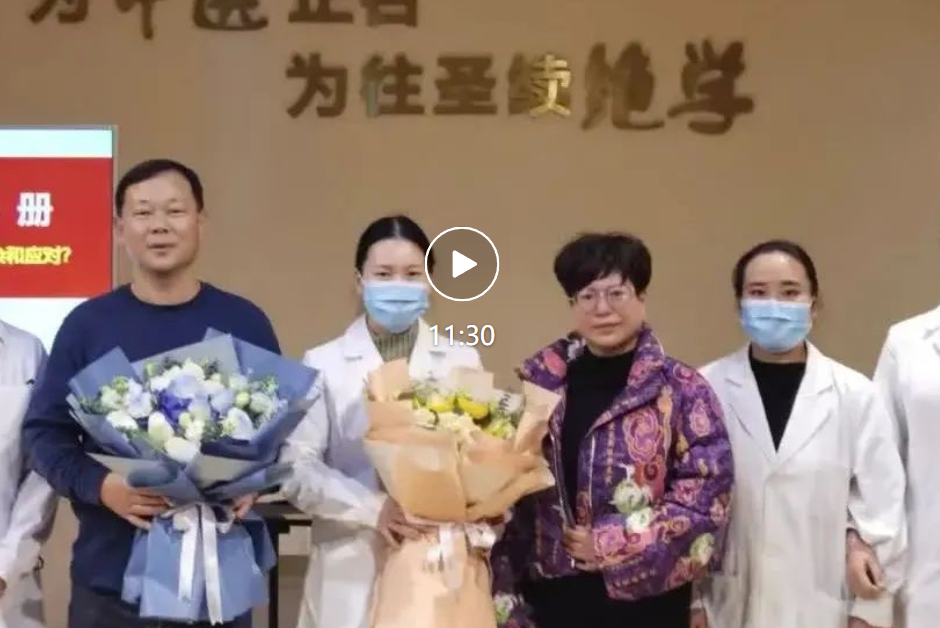
others
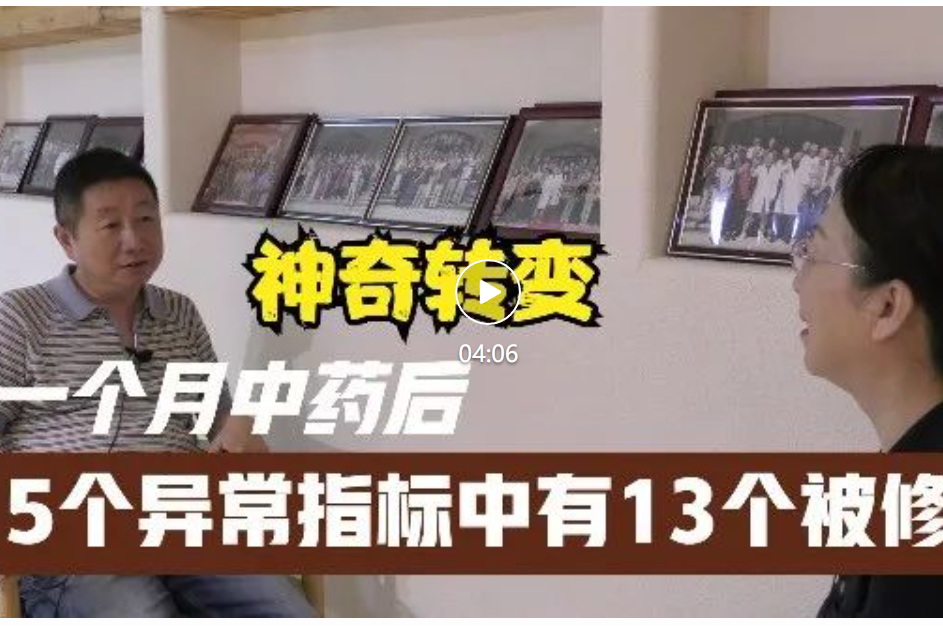



Affiliated Clinics
浙江湖州瑞博同義堂中医门诊部, Zhejiang clinical site
323 Meizhou Road, South Taihu Resort District, Huzhou, Zhejiang Province
+86-0572-2201880
Sunnyvale Clinic
1287 Hammerwood Ave, Sunnyvale CA 94089
Tel: 408-732-8328
同义堂 website:https://ty.naturalhealing.com
